
The Gulf Stream
Man against nature
A lone Black sailor drifts in a damaged boat surrounded by sharks, rough water, and a distant waterspout. The painting compresses danger, isolation, and endurance into one of Homer’s most powerful sea images.
Winslow Homer was one of the most important American painters of the nineteenth century, celebrated for dramatic seascapes, scenes of coastal labor, and vivid outdoor paintings shaped by weather, light, and the force of nature.
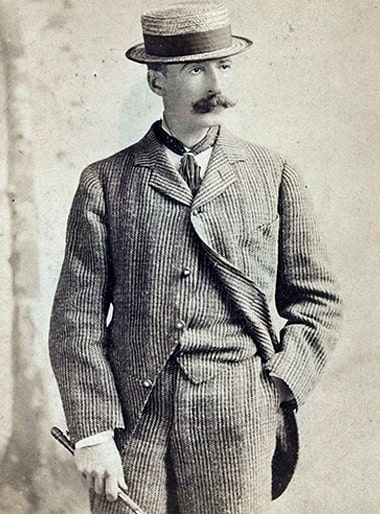
Homer’s art is known for strong composition, visual clarity, and an unsentimental view of the natural world. His mature paintings often place fishermen, sailors, or isolated figures against the sea, using bold forms, restrained color, and direct observation to convey both physical tension and emotional depth.
Born in Boston, Winslow Homer began his career as a commercial illustrator before becoming one of the defining painters of American art. During the Civil War he produced important images of Union soldiers and camp life. In the years that followed he turned toward rural subjects, outdoor scenes, and childhood themes, then gradually moved into the marine subjects that defined his mature work. A crucial phase in his development came during his time in Cullercoats, England, and later at Prouts Neck, Maine, where the sea, weather, and physical reality of coastal life became central to his art.
Winslow Homer paintings bring openness, movement, and natural atmosphere into interior spaces. His coastal scenes and seascapes work especially well for rooms that benefit from air, light, structure, and a sense of elemental calm rather than decorative excess.
Homer frequently explored the relationship between people and the natural world, especially in moments of uncertainty, labor, and endurance. Fishermen rowing against weather, sailors navigating unstable conditions, and solitary figures confronting surf or horizon recur throughout his work. His late seascapes are notable for their structure and elemental force: waves, rocks, spray, and sky become the main dramatic agents. At the same time, his watercolors reveal another side of his practice, often more fluid and spontaneous, with travel scenes, tropical settings, and outdoor light handled with remarkable freshness.
Selected paintings that help introduce the artist’s visual language, themes, and atmosphere.
Man against nature
A lone Black sailor drifts in a damaged boat surrounded by sharks, rough water, and a distant waterspout. The painting compresses danger, isolation, and endurance into one of Homer’s most powerful sea images.

Sailing and maritime life
A small boat moves confidently across bright open water, its figures carried by steady wind and balanced composition. The scene conveys motion, optimism, and the clear air of maritime recreation.

American rural childhood
A line of schoolboys races across open ground in a lively game, turning ordinary rural play into a vivid image of energy, rhythm, and youthful freedom.

Fishermen and coastal labor
A fisherman rows a heavily loaded dory toward a distant schooner as fog closes in. The painting captures work, isolation, and the fragile margin between safety and danger at sea.

Sea rescue
A rescuer carries an unconscious woman through turbulent surf in a composition driven by wind, rope, and wave motion. The scene feels urgent, physical, and almost cinematic in force.

Stormy seascape
Crashing waves strike dark rocks under heavy weather in a scene stripped almost entirely of anecdote. Homer turns sea, stone, and storm into a monumental study of natural force.
Homer’s reputation rests not only on his technical command but also on the seriousness of his vision. He helped define a distinctly American pictorial language rooted in observation, labor, weather, and the emotional scale of nature. His paintings remain influential because they balance realism, tension, and formal strength without sentimentality.
He is best known for dramatic seascapes, coastal subjects, marine painting, and powerful images of people confronting weather, labor, and the force of nature.
Yes. Early in his career Homer worked as an illustrator and produced notable images of Union soldiers and camp life during the American Civil War.
Many of his best-known marine paintings are associated with Prouts Neck, Maine, where he lived and developed the late seascape style for which he became especially famous.
Yes. Homer was widely admired for his watercolors, which include travel scenes, tropical landscapes, coastal subjects, and outdoor studies marked by freshness and technical control.
They combine strong formal design with emotional intensity, presenting the sea as both beautiful and dangerous while exploring endurance, isolation, labor, and the scale of nature.
You can browse more paintings, artist information, and related pages on this minisite.